
Blog
Maintenance tips, oil-selection guides, additive technology, motorsport and news — a fresh article every other day.
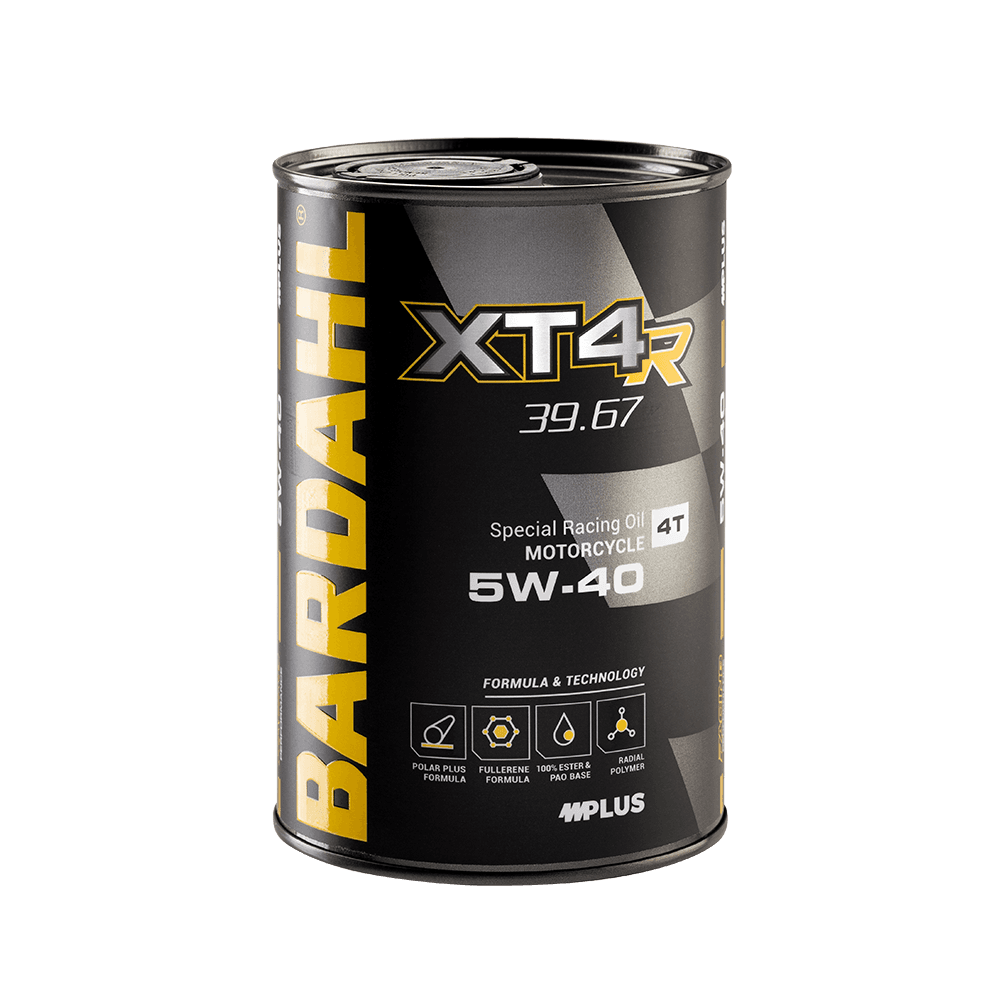
Fullerene C60 (39.67): Bardahl's Cutting-Edge Anti-Friction Technology
Discover how Bardahl's 39.67 Fullerene C60 technology uses nano-scale carbon spheres to dramatically reduce engine friction and wear — especially during cold starts.

Base Oils Group I–V: Why Most 'Synthetic' Oils Aren't Truly Synthetic
Most engine oils sold as 'fully synthetic' are built on mineral-derived Group III base stock — not PAO. Here's what the API groups really mean and how to choose smarter.

Bardahl: 85+ Years of 'World Famous' History Since 1939
Since 1939, Bardahl has earned the title 'World Famous' through relentless innovation — from Polar Plus technology to modern C60 Fullerene formulas. Here's the story behind the name.

Understanding Oil Viscosity: How to Read 5W-40 and Choose the Right Grade
Learn what the numbers in 5W-40 really mean and how to pick the right viscosity grade for your engine, climate, and driving style.

Bardahl Plasma: The 100% Synthetic Technology That Sets a New Standard
Bardahl Plasma combines Group IV PAO and Group V ester base oils with the exclusive Polar Plus additive system to deliver engine protection that conventional synthetics simply cannot match.

The Truth About Synthetic Oils: 100% Synthetic vs. Hydrocracked Synthetic Technology
Not all synthetic motor oils are the same. Here's the real difference between true 100% synthetic PAO/ester base oils and hydrocracked Group III 'Synthetic Technology' — and how to choose the right one for your engine.

Bardahl Moto XT4-R & XT4-S: Fullerene Technology and JASO MA2 Certification Explained
Bardahl's XT4-R and XT4-S motorcycle oils combine Fullerene C60 nano-technology with JASO MA2 certification — here's what that means for your engine and wet clutch.

How Often Should You Really Change Your Oil — And Why 100% Synthetic Lasts Longer
The old 5,000 km oil change rule is outdated. Here's what actually determines when to change your oil — and why 100% synthetic lasts significantly longer.

Why Most Bardahl Oils Are Genuinely 100% Synthetic — Not Just Hydrocracked
Not all oils labeled '100% synthetic' are equal. Here's why approximately 80% of Bardahl's range uses genuine PAO and ester base oils — and what that means for your engine.

Fuel-System Additives: How They Clean Injectors and Protect Your Engine
Fuel deposits build up silently inside your injectors and fuel lines — reducing power, efficiency, and engine life. Here is how fuel-system additives work and when to use them.

Polar Plus: How Bardahl Oil Clings to Metal and Protects Every Cold Start
Cold starts account for the majority of engine wear — but Bardahl's Polar Plus technology keeps a protective oil film on every metal surface even after the engine shuts down. Here's how it works.

Oil Additives Explained: What Detergents, Anti-Wear Agents and Dispersants Really Do
Engine oil is far more than its viscosity grade — the additive package inside determines real-world engine protection. Here's what detergents, anti-wear agents, and dispersants actually do.

Fullerene C60: Bardahl's Cutting-Edge Anti-Friction Technology
Discover how Bardahl's C60 fullerene technology uses Nobel Prize-winning carbon science to deliver engine protection that conventional lubricants simply cannot match.

Base Oils Group I–V: Why Most 'Synthetic' Oils Are Not Truly Synthetic
Not all synthetic motor oils are created equal. Understanding API base oil groups reveals why the label 'synthetic' can be misleading — and how to choose real protection for your engine.

Bardahl: 85+ Years of "World Famous" History Since 1939
How a Norwegian immigrant's formula developed in 1939 became one of the world's most trusted lubricant brands — and why that legacy matters for your engine today.

Understanding Oil Viscosity: How to Read 5W-40 and Choose the Right Grade
Learn what the numbers on your oil bottle really mean, how to decode grades like 5W-40, and how to pick the right viscosity for your engine and driving conditions.

100% Synthetic vs Synthetic Technology: The Truth Behind the Label
Not all synthetic oils are created equal. Here is what the difference between a true 100% synthetic and a hydrocracked synthetic technology product really means for your engine and your wallet.

Bardahl Moto XT4-R & XT4-S: Fullerene Technology and JASO MA2 Explained
Bardahl's XT4-R and XT4-S motorcycle oils combine C60 Fullerene nanotechnology with JASO MA2 certification — here's what that means for your engine, wet clutch, and riding style.

How Often Should You Really Change Your Oil? The Truth About 100% Synthetic
Most drivers follow outdated oil change rules. Here's what modern engines actually need — and why 100% synthetic oil can go farther than you think.

Why 80% of Bardahl's Range Is Truly 100% Synthetic (PAO/Ester, Not Hydrocracked)
Not all synthetic oils are created equal. Here's why Bardahl's commitment to genuine PAO and ester base stocks — across 80% of its range — makes a measurable difference for your engine.

Fuel System Additives: How They Clean Injectors and Protect Your Engine
Over time, fuel injectors collect carbon deposits that hurt performance and economy. Learn how fuel system additives clean, protect, and restore engine efficiency.

Polar Plus: How Bardahl Oil Clings to Metal and Protects Every Cold Start
Cold starts account for the majority of engine wear, but Bardahl's Polar Plus technology keeps a protective molecular film bonded to metal surfaces even when your engine is off.

Oil Additives Explained: What Detergents, Dispersants and Anti-Wear Agents Actually Do
Up to 25% of a quality motor oil is additives. Here's what each type does and why it matters for your engine's health and longevity.

Fullerene C60: Inside Bardahl's Anti-Friction Nanotechnology
Bardahl's C60 Fullerene technology uses nano-scale carbon molecules to dramatically reduce engine friction — here's how it works and why Greek drivers benefit.

Base Oils Group I–V: Why Most 'Synthetic' Oils Are Not Truly Synthetic
Not all oils labelled 'synthetic' are made equal. Understanding base oil groups reveals why the distinction matters for your engine.

Bardahl: 85+ Years of 'World Famous' History Since 1939
From a Seattle workshop in 1939 to over 80 countries worldwide, Bardahl has spent more than eight decades proving that engine protection is both a science and a commitment.

Understanding Oil Viscosity: How to Read 5W-40 and Choose the Right Grade
Confused by 5W-40, 10W-60, or 0W-30 on oil labels? This guide explains what viscosity grades mean and how to pick the right one for your engine and climate.

Bardahl Plasma: The Unique 100% Synthetic Technology and Why Nothing Else Compares
Not every synthetic engine oil earns the name. Discover the polar molecular science behind Bardahl Plasma and why it delivers a level of protection that conventional and semi-synthetic oils simply cannot match.

The Truth About Synthetic Oils: 100% Synthetic vs. Hydrocracked 'Synthetic Technology'
Not all synthetic oils are created equal. We explain the real difference between true 100% synthetic oils and hydrocracked products marketed as 'synthetic technology.'

Bardahl Moto XT4-R & XT4-S: Fullerene Technology and JASO MA2 Explained
Bardahl XT4-R and XT4-S motorcycle oils combine Fullerene C60 technology with JASO MA2 certification. Here's what that means for your engine and wet clutch.
How Often Should You Really Change Your Oil — And Why Full Synthetic Lasts Longer
The old '5,000 km' rule was written for mineral oils and older engines. Here's what modern full-synthetic oil actually changes — and how to find the right interval for your car.
Why 80% of Bardahl's Range Is Built on PAO and Ester — Not Hydrocracked Base Oil
Not every 'fully synthetic' motor oil uses the same chemistry. Here's why Bardahl formulates roughly 80% of its range on Group IV PAO and Group V ester base oils — and what that means for your engine in real driving conditions.
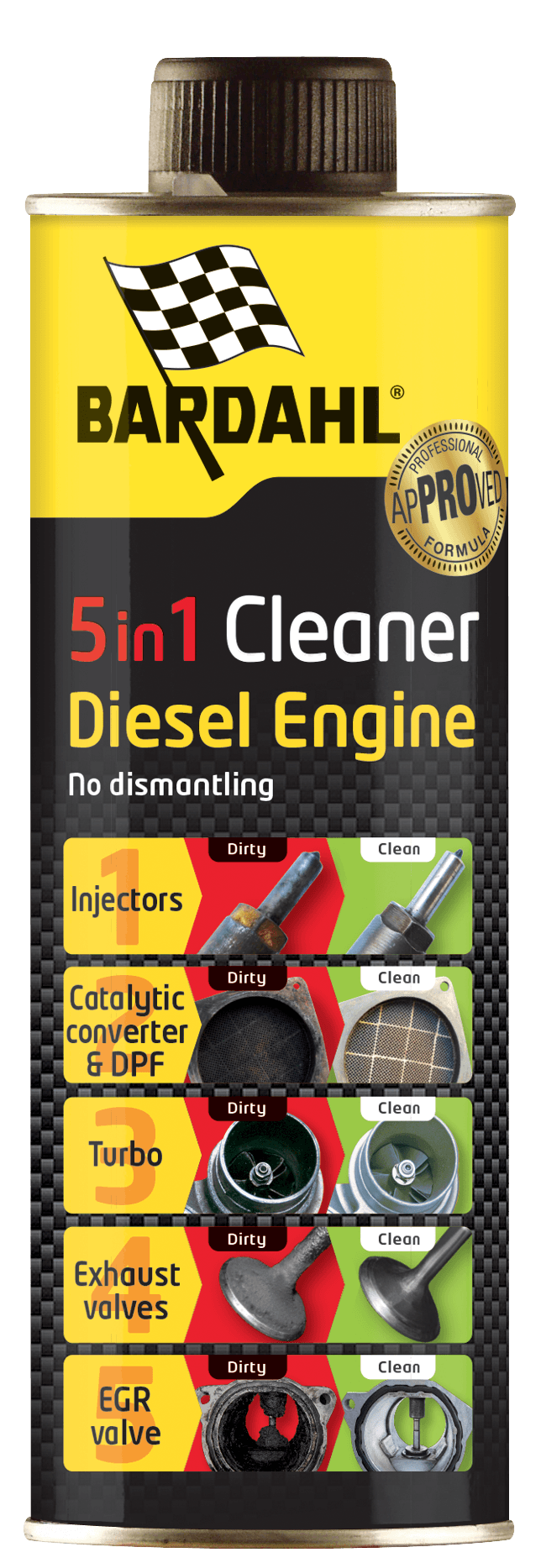
Fuel-System Additives: How They Clean Injectors and Protect Your Engine
Dirty injectors cost you fuel and power. Here's how fuel-system additives work — and when to use them.

Polar Plus: How Bardahl Oil Clings to Metal and Protects Every Cold Start
Discover how Bardahl's Polar Plus technology keeps a protective film bonded to your engine's metal surfaces, delivering instant protection the moment you turn the key.
Oil Additives Explained: What Detergents, Anti-Wear Agents and Dispersants Actually Do
Modern engine oil is more than just a lubricant — its additive package is what keeps your engine clean, protected and running long. Here's what each key additive does and why it matters.

Fullerene C60: Bardahl's Nanotechnology for Maximum Engine Protection
Bardahl's Fullerene C60 brings Nobel Prize-winning nanoscience to everyday engine protection — here's how this tiny molecule makes a measurable difference.
Base Oils Group I–V: The Truth About 'Synthetic' Motor Oils
Not all motor oils labelled 'synthetic' are created equal. Understanding base oil groups reveals what's really inside the bottle — and how to choose smarter.
Bardahl: 85+ Years of ‘World Famous’ Excellence Since 1939
From a Seattle garage in 1939 to over 80 countries worldwide — discover the story of Bardahl and the iconic ‘World Famous’ formula that changed engine protection forever.

Understanding Oil Viscosity: How to Read 5W-40 and Choose the Right Grade
Oil viscosity ratings like 5W-40 tell you how your engine oil behaves at different temperatures — here's how to decode them and pick the right grade for your car.

Bardahl Plasma: The 100% Synthetic Technology That Sets a New Standard
Discover why Bardahl Plasma stands apart from every other engine oil on the market — and what its unique 100% synthetic formula means for your engine's longevity.

Motorcycle Oil Basics: 2T vs 4T Engines and Why JASO Ratings Matter
Not all motorcycle oils are created equal. Learn the key differences between 2-stroke and 4-stroke engine oils, and why choosing the right JASO rating protects your motorcycle.

What “100% Synthetic” Really Means — and How to Read an Oil Label
“100% synthetic”, “synthetic based”, “blend” — they don’t all mean the same thing. A simple guide to reading an oil label, and where Bardahl’s 100% synthetic range fits.

What Fuel-System Cleaners Actually Do — and When Your Car Needs One
Fuel injectors clog silently, stealing power and economy. Here's how fuel-system cleaners work and when to use them.
