
Oil Additives Explained: What Detergents, Anti-Wear Agents and Dispersants Actually Do
Every time you pour engine oil into your car, you're not just adding lubricant — you're introducing a complex chemical cocktail that keeps your engine alive. The base oil handles basic lubrication, but it's the additive package that separates a quality oil from a mediocre one. Understanding what goes into that package helps you make smarter choices at the service station and the workshop.
Detergents: The Engine's Cleaning Crew
Despite the name, engine oil detergents don't scrub surfaces the way soap cleans your hands. They work at a chemical level to neutralize acidic combustion byproducts before they can attack metal surfaces. During combustion, fuel burns and creates acids — sulfuric, nitric, and others — that would corrode cylinder walls and pistons if left unchecked. Detergents, typically metallic salts based on calcium or magnesium, bind to these acids and neutralize them.
They also prevent deposit formation on pistons and valve stems. High-temperature zones are where carbon and lacquer deposits like to form; detergents keep these surfaces clean so the engine can breathe and move freely. A fresh oil change with a strong detergent package often brings a noticeable improvement in throttle response and overall smoothness.
Dispersants: Keeping Sludge at Bay
Dispersants are the unsung heroes of the additive world. Their job is to grab insoluble contaminants — tiny carbon particles, oxidation products, and partial combustion residues — and keep them suspended in the oil rather than allowing them to clump together. When contaminants clump, they form sludge that blocks oil galleries, starves bearings of lubrication, and clogs oil filters prematurely.
Think of dispersants as crowd managers: they keep particles moving and spaced apart so they can be safely captured by the oil filter. This is why an oil with a strong dispersant package — like those in Bardahl's full synthetic range — keeps engines cleaner for longer, even in vehicles used mostly for stop-and-go urban driving, which is especially punishing on oil quality.
Anti-Wear Additives: The Last Line of Defense
Oil film protects metal surfaces, but it isn't perfect. Under extreme pressure or at cold start — when oil hasn't yet fully circulated — metal-to-metal contact can occur. This is where anti-wear (AW) additives step in. The most common are zinc dialkyldithiophosphate (ZDDP) compounds, which react with metal surfaces under pressure to form a thin, sacrificial protective layer.
This coating absorbs wear so your camshaft lobes, valve train, and piston rings don't have to. In turbocharged and high-performance engines — increasingly common in modern cars — strong AW protection is critical, especially during winter cold starts.
A few practical takeaways:
- Don't extend oil change intervals beyond manufacturer specs — all three additive types deplete over time and mileage.
- City driving is hard on oil — short trips mean the engine rarely fully warms up, diluting and exhausting the additive package faster. Consider more frequent changes.
- Viscosity grade matters, but so does the additive package — a 5W-40 with premium additives outperforms a cheaper oil of the same grade.
- Use quality oil from the start — once sludge forms, fresh oil struggles to fully clean it out.
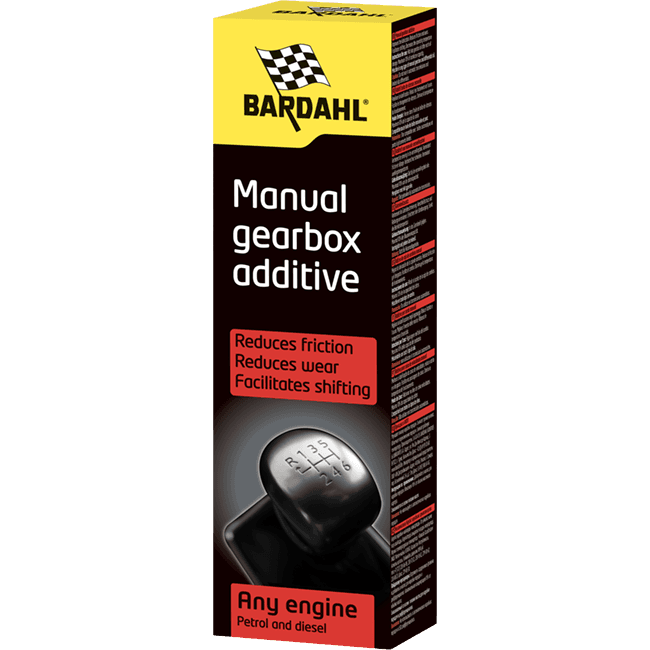
Bardahl has built its reputation on precisely this chemistry. Products like Bardahl XTC C60 combine a complete additive package with Fullerene C60 friction-reduction technology, taking engine protection a step further. Understanding what's in your engine oil isn't just interesting — it directly translates to longer engine life and fewer repair bills.
Need the right Bardahl products?
Explore the range