
Understanding Oil Viscosity: How to Read 5W-40 and Choose the Right Grade
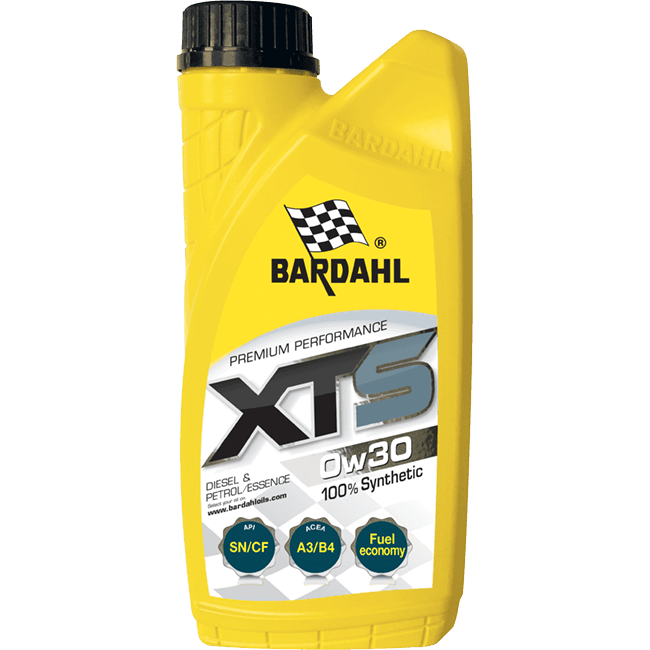
Every time you buy motor oil, you see numbers like 5W-30, 10W-40 or 0W-20 on the label. These are not random — they describe exactly how the oil behaves across a range of temperatures, and picking the right grade can make a real difference to your engine's longevity, performance, and fuel efficiency. Here is what those numbers actually mean, and how to choose wisely.
What Does the Viscosity Code Mean?
Viscosity is a measure of how easily a fluid flows. Motor oil viscosity is rated by the SAE (Society of Automotive Engineers) using a two-part code separated by a W, for example 5W-40.
The number before the W — which stands for Winter — describes how the oil flows at low temperatures, specifically how quickly it circulates when you start a cold engine. A lower number means the oil stays thinner in the cold and reaches critical engine components faster. The number after the W describes the oil's thickness at normal operating temperature (around 100°C). A higher number means a more robust oil film that holds up under heat and mechanical load.
So a 5W-40 oil behaves like a 5-weight oil at cold start — circulating quickly before things warm up — and like a 40-weight oil at full operating temperature, maintaining protective film thickness when it matters most. A 10W-40, by contrast, is slightly thicker in the cold but offers the same high-temperature behaviour.
How to Choose the Right Grade
The most important rule is simple: always check your vehicle's owner manual. The manufacturer specifies exactly which viscosity grade your engine was designed for, and using the wrong one can reduce fuel efficiency, increase wear, or void your warranty.
Beyond the manual, these factors help guide your choice:
- Climate: Greece's warm summers demand an oil that holds its film at high temperatures, making 5W-40 or 10W-40 well suited for most of the year. In colder months or mountainous regions, a lower cold-start rating (0W or 5W) ensures quick lubrication on start-up.
- Engine mileage: Older or high-mileage engines can benefit from a slightly thicker grade to compensate for wider tolerances from wear.
- Driving conditions: Frequent highway driving, towing, or hard acceleration puts extra thermal stress on oil. A grade that resists thinning at high temperatures is the safer choice.
- Engine type: Turbocharged, diesel, or GDI engines often have specific viscosity and specification requirements — always cross-check the oil's ACEA and API ratings alongside the grade.
Grade, Base Oil, and Why Both Matter
Viscosity grade and oil type are two separate decisions. A 5W-40 can be mineral, semi-synthetic, or fully synthetic — and the formulation matters almost as much as the grade itself.
Full synthetic oils maintain their rated viscosity more consistently across temperature extremes, resist oxidation and sludge for longer, and typically allow extended drain intervals. The Bardahl range of fully synthetic engine oils — including popular 5W-40 formulations — pairs the right viscosity profile with advanced additive chemistry, designed to protect modern engines through Greek summers and cold winter starts alike.
Whatever grade you choose, consistency is what keeps engines healthy: change your oil on schedule, use a product that meets your manufacturer's specification, and avoid mixing grades. Small choices at the oil shelf add up to thousands of kilometres of reliable, well-protected running.
Need the right Bardahl products?
Explore the range