
Fuel-System Additives: How They Clean Injectors and Protect Your Engine
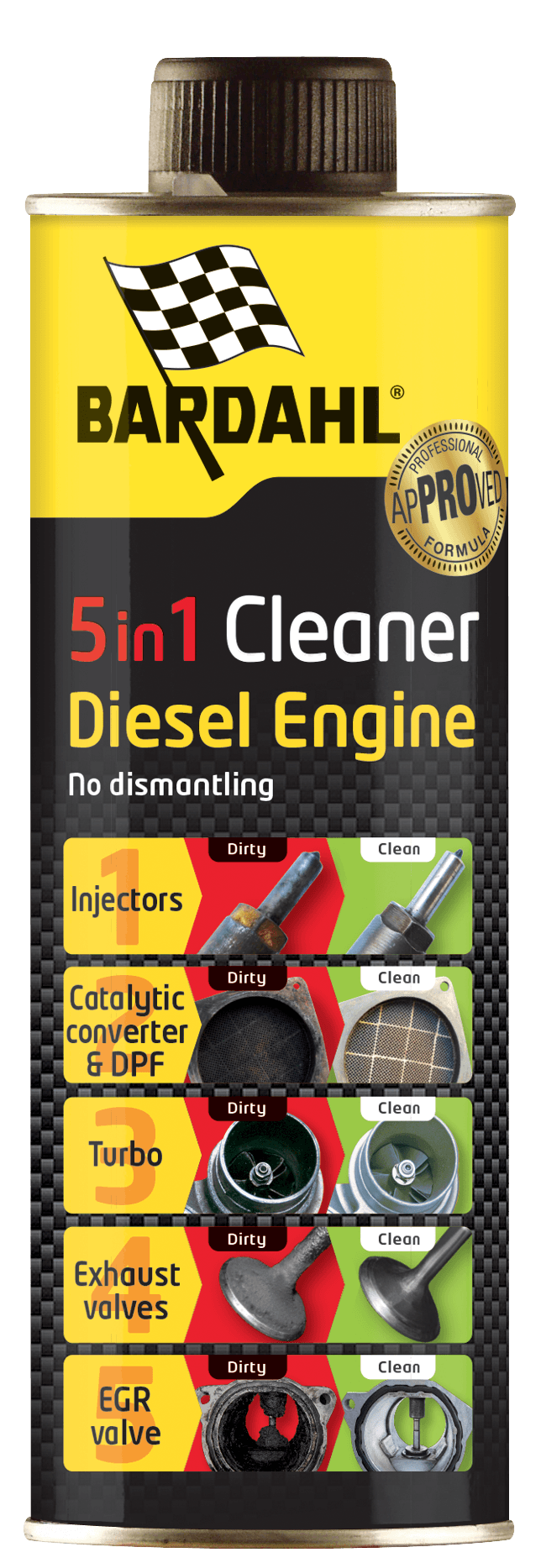
Over thousands of kilometres, your engine's fuel injectors accumulate carbon deposits, varnish, and gum residues — a natural by-product of combustion and the sulphur compounds found in modern fuels. As these deposits build up on the injector nozzles, the fine spray pattern breaks down. The result: uneven fuel distribution, incomplete combustion, higher fuel consumption, and — over time — increased wear on cylinder walls and piston rings.
Why Modern Engines Are Especially Vulnerable
Direct-injection petrol engines (GDI) and common-rail diesel systems operate at extremely high pressures — anywhere from 150 to over 2,000 bar. This precision engineering leaves almost no tolerance for contamination. Even a thin layer of carbon on an injector tip can alter the spray angle, turning a perfectly atomised mist into heavy droplets that don't burn cleanly. Symptoms are easy to dismiss at first: a slightly rough idle, a brief hesitation on acceleration, a barely noticeable drop in fuel economy. Left unaddressed, these symptoms worsen and can lead to costly repairs.
How Fuel-System Additives Work
Quality fuel-system additives contain powerful detergent molecules — most commonly polyether amine (PEA) — that dissolve and carry away carbon deposits as they travel through the fuel system. When added to the tank, these compounds mix with the fuel and reach every component the fuel touches: the tank, fuel lines, pump, injectors, and combustion chamber. A good additive does more than just clean:
- Restores the injector's original spray pattern for efficient atomisation
- Removes varnish and gum from fuel lines and the pump
- Cleans intake valves and the combustion chamber of carbon build-up
- Protects against corrosion and moisture in the fuel system
- Can improve cold-start performance and reduce exhaust emissions
Bardahl's fuel-system additives — including the professional-grade Fuel System Cleaner and petrol- and diesel-specific formulas — are built around this chemistry. They work equally well added to the tank by the driver or used in a workshop flush, making them a practical solution for both routine maintenance and targeted intervention.
When and How to Use Them
You don't need to wait for problems to appear. Think of fuel-system additives the way you think of engine oil — periodic use keeps things running cleanly rather than catching up after damage is done.
- Routine maintenance: Add one bottle to a full tank every 10,000–15,000 km, or once a year if you cover fewer kilometres.
- When symptoms appear: Rough idle, hesitation, increased fuel consumption, or a failed emissions test are all good reasons to treat immediately.
- Before a service: Adding an additive a few hundred kilometres before an oil change helps flush combustion deposits before the workshop visit.
- High-mileage vehicles: Older engines benefit most — a full treatment cycle can restore measurable power and fuel economy.
For heavily contaminated systems, a professional injector flush using a dedicated machine is the faster route. Most workshops can perform this service in under an hour, using concentrated cleaner pushed through the fuel rail under controlled pressure. Whether you're a driver protecting your investment or a workshop advising customers on preventive care, keeping the fuel system clean is one of the highest-return maintenance choices available. A clean injector burns fuel exactly the way the engine was designed to — efficiently, cleanly, and without waste.
Need the right Bardahl products?
Explore the range