
Base Oils Group I–V: The Truth About 'Synthetic' Motor Oils
Walk into any auto parts store and you'll see shelves lined with motor oils labelled "fully synthetic." But according to industry chemists and lubricant engineers, most of these products aren't truly synthetic in the strict sense of the word — at least not in the way that genuine PAO-based oils are. The distinction matters, and understanding it will help you make smarter decisions every time you buy engine oil. It all starts with base oils.
The Five Groups of Base Oils
Engine oil consists of two main components: a base oil (typically 75–90% of the blend) and an additive package. The American Petroleum Institute (API) classifies base oils into five groups based on their molecular structure and refining process:
- Group I: Solvent-refined mineral oil — the oldest and most basic process. Higher impurity levels and the lowest oxidation resistance. Still found in some budget-priced oils and gear lubricants.
- Group II: Hydrocracked mineral oil — cleaner and more stable than Group I. Better oxidation resistance and a more consistent viscosity index, making it the baseline for many conventional and semi-synthetic products.
- Group III: Severely hydrocracked mineral oil — very pure, with a viscosity index above 120. Still derived from crude oil, yet legally permitted to carry the "synthetic" label in most markets since the late 1990s.
- Group IV: Polyalphaolefins (PAO) — the benchmark for true synthetic base oil. Engineered molecule by molecule from ethylene, PAO has a uniform molecular structure, an exceptionally low pour point and outstanding oxidation stability across a wide temperature range.
- Group V: All other synthetic types — esters, polyalkylene glycols (PAG) and more. Esters offer excellent film strength and are often blended with Group IV to enhance cold-flow properties in high-performance formulations.
The "Synthetic" Labelling Controversy
In the late 1990s, a landmark US court ruling allowed oil companies to label Group III-based oils as "fully synthetic." The reasoning: Group III is so heavily refined that it no longer closely resembles the original crude oil. This opened the door for widespread use of the term on products that are, at their core, still derived from mineral oil.
Today, the majority of engine oils sold as "fully synthetic" in European markets — including Greece — use Group III base stocks. This is not necessarily a problem. A well-formulated Group III oil with a high-quality additive package can deliver excellent engine protection. The key issue is transparency: drivers and workshops deserve to know what they are actually paying for.
What to Look for When Choosing Motor Oil
The base oil group is just one part of the story. Here is what you should actually evaluate before buying:
- Viscosity grade: Always match the manufacturer's specification (e.g. 5W-30, 5W-40, 0W-20).
- API/ACEA certification: These standards ensure the oil meets minimum performance benchmarks for your engine type.
- OEM approvals: Look for specific manufacturer approvals — VW, BMW, Mercedes-Benz, GM — printed on the label.
- Additive package quality: Anti-wear agents, detergents and antioxidants often matter more than the base oil group alone.
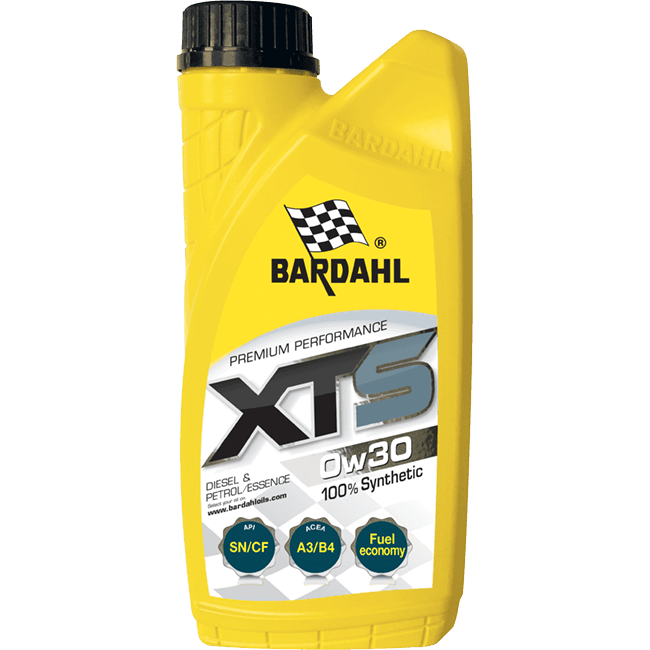
Bardahl's engine oil range — including the BXT and XTC lines — is formulated with carefully selected base stocks and additive technology refined over more than 85 years of lubrication expertise. Each product is engineered to meet its certified specifications, whether for a modern turbocharged petrol engine, a diesel workhorse or a high-mileage classic.
The next time you shop for motor oil, look beyond the label. A properly certified, OEM-approved oil from a trusted brand will protect your engine far better than a product with impressive marketing claims and no verifiable specifications to back them up.
Need the right Bardahl products?
Explore the range