
Bardahl Plasma: The 100% Synthetic Technology That Sets a New Standard
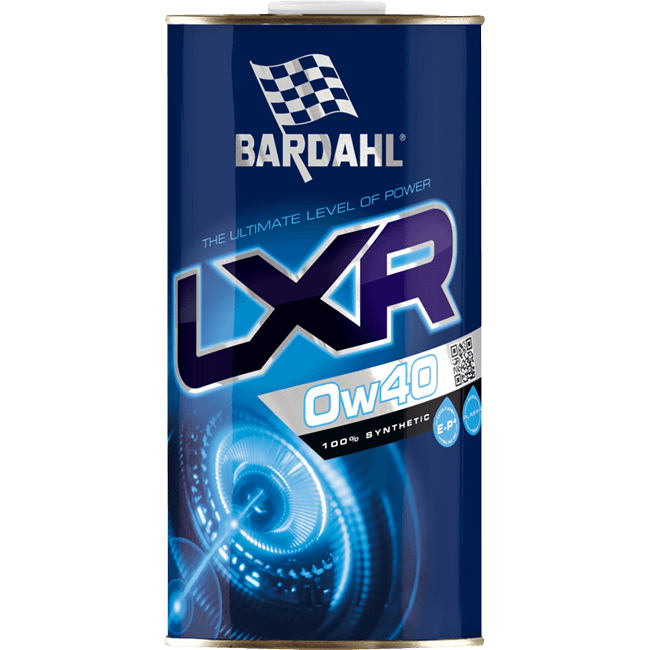
Not all synthetic oils are created equal. While the market is flooded with products claiming to offer advanced protection, Bardahl Plasma is built on a fundamentally different approach — one that starts at the molecular level and delivers results you can measure in kilometres and years of reliable performance.
What Is Plasma Technology?
Bardahl Plasma takes its name from the brand's proprietary additive technology — a system of polar organic compounds that actively seek out and bond to metal surfaces under heat and pressure. Unlike conventional engine oils that simply coat surfaces with a fluid film, Plasma's molecules are attracted to the microscopic irregularities in metal where friction and wear are most intense. The result is a protective layer that stays in place even when the oil film breaks down during cold starts, extreme heat, or high-load driving.
This approach is not new to Bardahl — the company pioneered polar additive technology decades ago — but the Plasma line represents its most advanced expression. The base oils are 100% synthetic, engineered from the ground up rather than refined from crude oil, offering superior viscosity stability across a wide temperature range.
Why 100% Synthetic Makes a Real Difference
Greek drivers face a demanding range of conditions: summer temperatures that push engines to their limits in stop-and-go city traffic, cold winter starts in northern regions, and the constant high-rpm demands of mountain roads. A mineral or semi-synthetic oil can struggle to maintain consistent viscosity through these swings. A 100% synthetic base, like the one in Bardahl Plasma, holds its protective properties from -40°C to well above 150°C — covering every scenario a Greek engine is likely to encounter.
- Lower engine wear from the first seconds of startup, when most damage occurs
- Cleaner engine internals thanks to detergent additives that prevent sludge and deposit buildup
- Better fuel economy through reduced internal friction
- Extended oil change intervals compared to conventional and semi-synthetic oils
- Compatible with modern emission systems including DPF filters and catalytic converters
Practical Tips for Getting the Most from Bardahl Plasma
Choosing the right viscosity grade matters. Bardahl Plasma is available in multiple grades — check your vehicle manufacturer's specification (found in the owner's manual or on the oil filler cap) and match it exactly. Common grades include 5W-30, 5W-40, and 0W-40 for both petrol and diesel engines.
For workshops: when switching a vehicle from a lower-quality oil to Bardahl Plasma, an engine flush is recommended — especially on high-mileage vehicles — to clear existing deposits before the new oil goes in. This ensures the Plasma additive package works on clean surfaces from day one.
Finally, avoid mixing Plasma with other brands or grades. Blending oils dilutes the carefully balanced additive chemistry and reduces the effectiveness of the polar compound system. If a top-up is needed between changes, use the same Bardahl Plasma grade already in the engine.
For Greek drivers and workshops seeking maximum engine protection in a demanding climate, Bardahl Plasma delivers a combination of advanced base oil technology and proven additive science that is genuinely difficult to match. It is not just another synthetic oil — it is a different category of protection.
Need the right Bardahl products?
Explore the range