
Bardahl Moto XT4-R & XT4-S: Fullerene Technology and JASO MA2 Explained
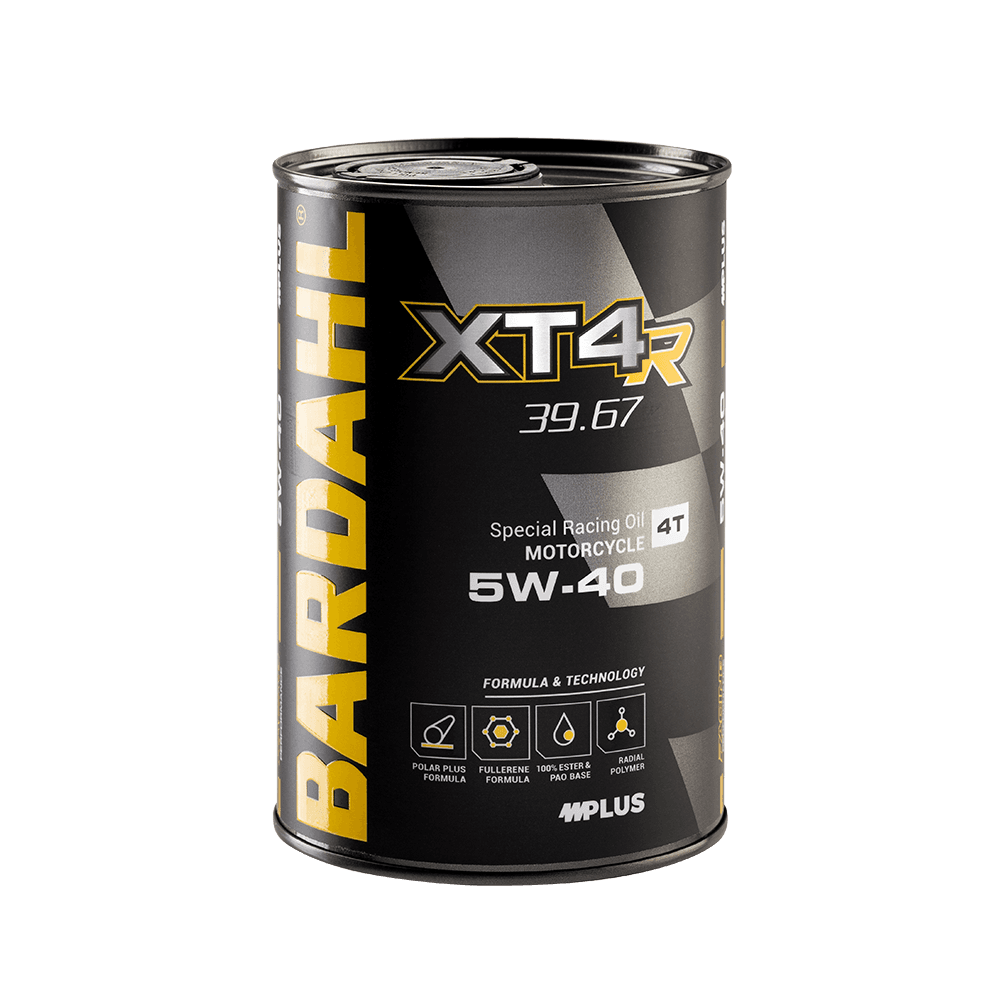
For anyone who rides a motorcycle and cares about engine performance, choosing the right oil is not a minor detail. It affects longevity, clutch feel, gear-shifting smoothness, and ultimately how much you trust your bike. Bardahl's XT4-R and XT4-S motorcycle oils combine advanced Fullerene technology with JASO MA2 certification — two factors that set them apart in a crowded market.
What Is JASO MA2 and Why Does It Matter?
Unlike car engines, most motorcycles use a wet clutch — the clutch discs run bathed in the same oil as the engine. This creates a specific problem: standard automotive oils often contain friction modifiers that make the oil too slippery for the clutch plates, causing slip, loss of power transfer, and unpredictable behavior.
JASO (Japanese Automotive Standards Organization) developed the JASO MA specification to address exactly this. JASO MA2 is the strictest tier within that standard. It guarantees that the oil maintains sufficient friction characteristics to keep wet clutches engaging cleanly and consistently, without slip. Using a non-JASO MA2 oil in a motorcycle with a wet clutch is one of the most overlooked causes of clutch problems in workshops — even when the viscosity grade looks correct on paper.
Fullerene Technology — What Bardahl Adds to the Formula
Bardahl's Fullerene C60 technology is what separates these motorcycle oils from conventional alternatives. Fullerene molecules — carbon C60 spheres — act as nano-scale ball bearings between metal surfaces. Under the pressure and heat of a working motorcycle engine, they form a resilient protective film on cylinder walls, pistons, and gearbox components.
The result is measurably lower friction, reduced wear on cold starts (when most engine damage occurs), and improved thermal stability at high RPM. For riders who push their bikes hard — on track days, mountain passes, or daily urban riding — this translates into a longer-lasting, smoother engine.
XT4-R vs XT4-S — Choosing the Right Grade for Your Bike
Both oils carry full JASO MA2 certification and Fullerene technology, but they target different riding profiles:
- XT4-R is formulated for high-performance 4-stroke motorcycles — sport bikes, naked bikes, and any engine operating at sustained high RPM and temperature. Viscosity grades (typically 10W-50 or 15W-50) handle extreme heat without thinning out.
- XT4-S is designed for standard road bikes and scooters with 4-stroke engines, where the priority is everyday reliability, fuel economy, and protection across a wide temperature range. Typical grades: 10W-40 or 15W-40.
Practical tips when choosing:
- Check your owner's manual for the recommended viscosity grade first
- If your bike sees track use or sustained high-speed riding, XT4-R is the right choice
- For urban commuting and standard road use, XT4-S covers the full range
- Never use a car engine oil in a wet-clutch motorcycle — even if the viscosity matches
- Synthetic motorcycle oils like XT4-R and XT4-S can safely extend oil change intervals beyond the minimum — but always confirm with your mechanic
Bardahl's XT4-R and XT4-S answer a real engineering challenge: motorcycle engines need an oil that serves three roles simultaneously — engine protection, gearbox lubrication, and wet clutch compatibility. With JASO MA2 certification and Fullerene technology, both products meet that standard without compromise.
Need the right Bardahl products?
Explore the range