
Understanding Oil Viscosity: How to Read 5W-40 and Choose the Right Grade
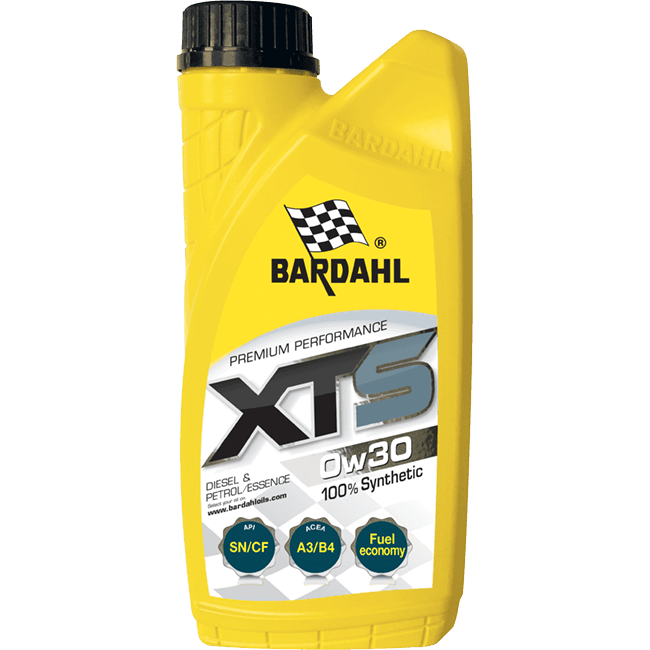
When you walk into an auto parts store or workshop and see labels like 5W-40, 10W-60, or 0W-30, it can feel like reading a secret code. Yet understanding oil viscosity is one of the most important things a driver or workshop technician can do to protect an engine properly. The right grade delivers better lubrication at every temperature, reduced metal-to-metal wear, and a longer engine life — the wrong grade can cause premature wear, sluggish cold starts, or oil film breakdown under load.
What Do the Numbers Actually Mean?
Viscosity is a fluid's resistance to flow — in simple terms, how thick or thin an oil is. Motor oil viscosity is expressed as a two-number grade, like 5W-40. The W stands for Winter (not weight), so the number before it describes how the oil flows at cold temperatures. A lower number — 0W or 5W — means the oil flows more easily in the cold, reaching critical engine parts faster during a cold start. The number after the dash — 40 in this case — describes the oil's viscosity at operating temperature (100°C). A higher number indicates a thicker oil at high heat, offering better film strength under load.
So 5W-40 flows easily in cold Greek winters and stays robust in a hot July traffic jam in Athens. It is one of the most versatile grades on the market, which is why Bardahl uses it as the base for several of its flagship formulations.
Which Grade Is Right for Your Engine?
There is no single best viscosity grade — the right choice depends on your vehicle, climate, and driving habits. Always start with your owner's manual: the manufacturer specifies approved grades for a reason, and deviating from them can void your warranty or compromise engine protection.
- 0W-20 / 0W-30: Designed for modern, fuel-efficient engines with tight tolerances. Common in Japanese and European small-displacement cars.
- 5W-40: A widely recommended all-season grade for most petrol and diesel engines in Greece. It handles Mediterranean summer heat and mild winter cold extremely well.
- 10W-60: Reserved for high-performance and racing engines that generate extreme heat. Not suitable for everyday driving.
- 15W-40: An older mineral-based grade, still used in older engines or specific diesel fleets where the manufacturer permits it.
The Greek climate — with summers regularly exceeding 40°C and relatively mild winters — generally favours all-year grades like 5W-30 or 5W-40. Bardahl's full synthetic range in these grades is formulated for outstanding thermal stability and superior cold-start performance, making it the ideal choice for Greek driving conditions in every season.
Practical Tips Before Your Next Oil Change
- Check your manual first. The correct viscosity grade is printed clearly in your car's service booklet or on the oil filler cap.
- Match the specification, not just the grade. A 5W-40 oil that does not meet your engine's API or ACEA spec (e.g. ACEA C3) may still cause harm. Look for the right certifications on the label.
- Do not mix grades or base types. Mixing mineral with full synthetic, or two different viscosities, dilutes the additive chemistry designed to protect your engine.
- Consider your mileage. High-mileage engines often benefit from slightly thicker grades or dedicated high-mileage formulations that condition aging seals.
- Ask your workshop. A professional Bardahl dealer or authorized service point can cross-reference your vehicle's requirements and recommend the exact product — whether it is a full synthetic 5W-40 or a specialist formulation for your drivetrain.
Choosing the right oil viscosity is not complicated once you understand the basics. Read the label carefully, follow the manufacturer's specification, and trust a reputable brand with proven additive technology. Your engine works hard every day — give it the protection it deserves.
Need the right Bardahl products?
Explore the range