
100% Synthetic vs Synthetic Technology: The Truth Behind the Label
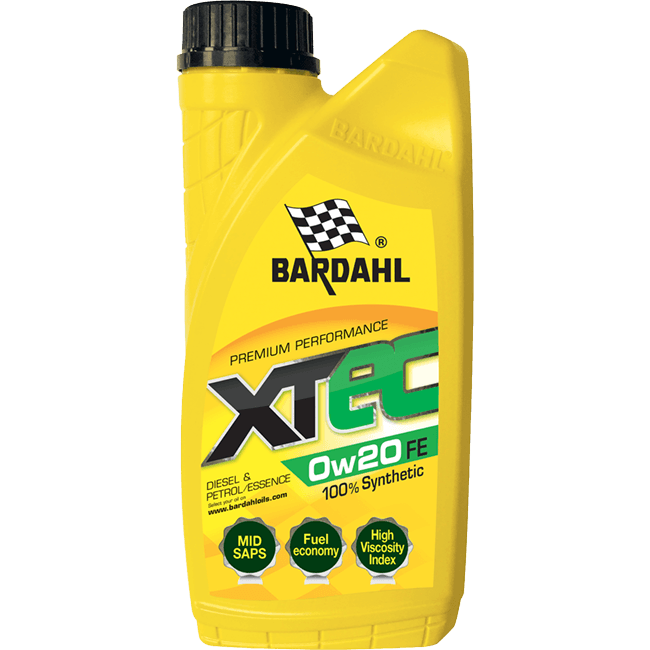
Walk into any auto parts store and you will find the shelves packed with bottles all claiming to be synthetic. But not all synthetic oils are equal — and the marketing terms on the label can be genuinely misleading. Understanding the difference between a true 100% synthetic oil and a hydrocracked synthetic technology product is one of the most useful things a driver or workshop technician can know.
What Does 100% Synthetic Actually Mean?
A true 100% synthetic engine oil is built from chemically engineered base stocks — most commonly PAO (polyalphaolefin) molecules, sometimes blended with esters. These are manufactured molecule by molecule in a controlled industrial process, producing a uniform molecular structure that conventional refining cannot match. The result: better viscosity stability across a wide temperature range, superior resistance to oxidation, a cleaner engine over time, and a longer effective service life. When a label reads 100% synthetic, the base oil should be entirely man-made — not a derivative of refined crude petroleum.
The Synthetic Technology Label — and Why It Exists
Here is where it gets complicated. Since the 1990s, a shift in industry standards allowed severely hydrocracked mineral oils — known as Group III base oils — to be legally marketed as synthetic in many markets, including across Europe. These oils start as crude petroleum and are refined under extreme pressure and heat until their molecular profile closely resembles true synthetics. The result is a significantly better product than conventional mineral oil, but it is not the same as a PAO-based full synthetic, particularly at temperature extremes or under sustained high loads.
You will often find these products labelled as synthetic technology, semi-synthetic, or simply synthetic without any further clarification. For the average driver, this is opaque at best and misleading at worst — and the price difference between the two categories makes it commercially significant.
Does the Difference Matter for Your Engine?
For everyday commuting in moderate climates, a quality Group III product will perform well and protect your engine adequately. The gap widens, however, in demanding conditions: cold winters in northern Greece, turbocharged engines running hard, mountain driving, and extended oil-change intervals. In these scenarios, a true PAO-based oil retains its viscosity better under thermal stress, flows more freely at cold start — reducing wear in those critical first seconds — and resists breakdown for longer.
The additive package also plays a major role, which is why two oils built on the same base oil group can perform very differently. Bardahl premium lines — including the Bardahl Plasma range — combine advanced base stock technology with Bardahl's proprietary Polar Plus chemistry and fullerene C60 additives, delivering film strength and anti-friction performance that goes well beyond the base oil alone.
When choosing your next engine oil, keep these practical points in mind:
- Read the label carefully — synthetic technology and 100% synthetic are not interchangeable terms.
- Check the API or ACEA specification — higher specs such as ACEA C3 or API SN Plus indicate demanding performance requirements regardless of base oil type.
- Match the oil to your conditions — turbo engines, motorway driving, and extended service intervals benefit most from true full-synthetic formulations.
- Ask your workshop — a trusted technician can match the right oil to your specific vehicle, mileage, and driving habits.
The bottom line: the word synthetic is not regulated identically across all markets, so the label alone cannot be your only guide. Focus on the specification, the manufacturer's track record, and what is genuinely inside the bottle — not just what is printed on the outside.
Need the right Bardahl products?
Explore the range