
Understanding Oil Viscosity: How to Read 5W-40 and Choose the Right Grade
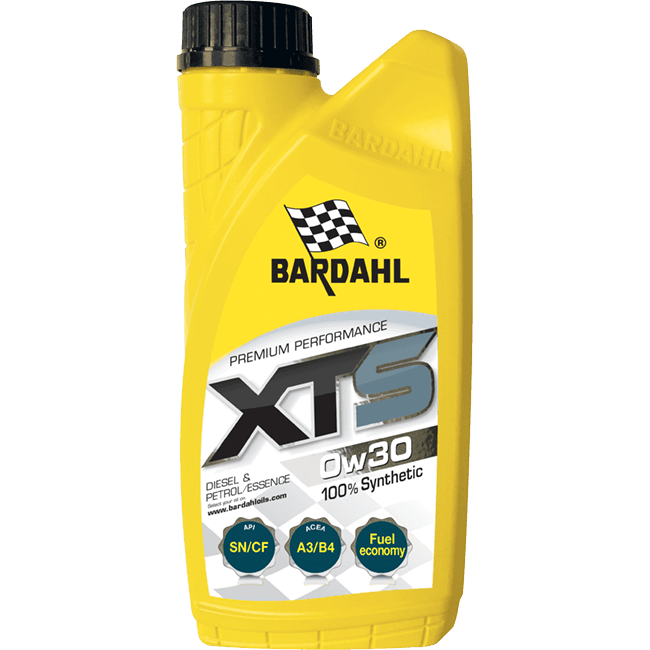
Every time you buy motor oil, you see a code on the label — something like 5W-40, 10W-30, or 0W-20. Most drivers pick what seems right or repeat their last purchase without really understanding what these numbers mean. But choosing the wrong viscosity grade can affect engine protection, fuel economy, and long-term reliability — especially in the varied climate conditions across Greece.
What Is Viscosity and Why Does It Matter?
Viscosity is the resistance of a fluid to flow. In engine oil terms, it describes how easily the oil moves through your engine at different temperatures. An oil that flows too freely will not form the protective film your engine needs; one that is too thick will not reach critical components fast enough on cold startup — the moment when most engine wear actually occurs.
Modern engines use multi-grade oils — blended to perform optimally both when cold and when fully warmed up. This is where the familiar two-number code comes in.
How to Read a Grade Like 5W-40
The code has two parts separated by the letter W, which stands for Winter:
- The first number (5W): Cold-temperature viscosity. A lower number means the oil flows better at low temperatures, delivering fast lubrication during cold starts. A 0W or 5W oil reaches engine parts much quicker in winter than a 15W or 20W oil — fewer seconds of unprotected friction on every start.
- The second number (40): High-temperature viscosity at normal operating temperature (around 100°C). A higher number means the oil maintains a thicker protective film when your engine is fully hot — important during long summer drives, motorway runs, and stop-and-go city traffic in July.
So a 5W-40 flows easily in cold weather but remains robustly protective when the engine heats up. A 10W-30 is slightly thicker in the cold but somewhat thinner at operating temperature — fine for many applications, but not interchangeable without checking specifications.
Choosing the Right Grade for Your Car and Climate
The single most important rule: always check your vehicle owner's manual first. The manufacturer specifies the exact viscosity range the engine was designed for, and deviating from it can affect warranty coverage and protection levels.
Beyond the manual, a few practical factors should guide your decision:
- Climate: Greek summers push engine temperatures high. A grade with a higher second number (40 or 50) provides better high-temperature protection. For the colder winters of northern Greece and mountain regions, a lower first number (0W or 5W) ensures reliable startup protection.
- Engine age and mileage: Higher-mileage engines sometimes benefit from a slightly higher-viscosity oil — for example, moving from 5W-30 to 5W-40 — to compensate for increased internal clearances that develop over time.
- Driving style and conditions: Frequent short city trips, towing, or performance driving all increase thermal stress on the oil, making a more robust product the better choice.
- Quality matters as much as grade: A quality 5W-40 from a trusted brand like Bardahl will outperform a cheap 5W-40 at the same viscosity, thanks to premium base oils and a carefully balanced additive package that keeps the oil stable across the full temperature range.
Bardahl's motor oil range covers the most common grades for passenger cars and commercial vehicles — all formulated to meet or exceed OEM specifications including ACEA, API, and manufacturer approvals. Whether you drive a modern turbocharged petrol engine or an older diesel, there is a grade engineered for your exact requirements.
When in doubt, bring your service book to a trusted workshop or ask your Bardahl dealer. Matching the right oil to your engine is one of the simplest and most cost-effective things you can do to protect it for the long run.
Need the right Bardahl products?
Explore the range