
Oil Additives Explained: What Detergents, Anti-Wear Agents and Dispersants Really Do
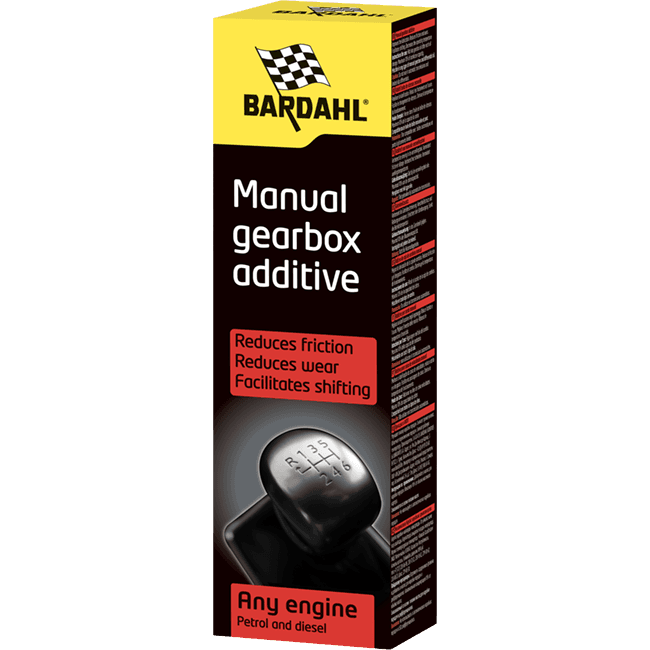
Every motor oil is more than just a refined base oil. The real secret behind effective engine protection lies in its additive package — a blend of chemical compounds engineered to keep your engine clean, lubricated, and protected. Three of the most important additives found in any quality lubricant are detergents, anti-wear agents, and dispersants. Understanding what they do helps you make smarter choices for your vehicle.
Detergents: Neutralizing Acids and Preventing Deposits
Engine detergents work very differently from household soaps. Their primary role is to neutralize acidic combustion byproducts that form inside the engine during normal operation. Fuel combustion produces acids that, left unchecked, would corrode metal surfaces and leave behind hard carbon deposits on pistons, rings, and cylinder walls. Detergents keep these surfaces clean and protect the metal beneath.
A key measure of an oil's detergent strength is its Total Base Number (TBN). The higher the TBN, the longer the oil can neutralize acids before it needs to be changed. If you run extended drain intervals, pay close attention to TBN when selecting your oil.
Anti-Wear Agents: Your Engine's Invisible Armor
Even in a perfectly lubricated engine, metal surfaces under extreme pressure — camshafts, lifters, crankshaft bearings — need more than an oil film to stay protected. Anti-wear additives, primarily zinc dialkyldithiophosphate (ZDDP), react with metal surfaces under heat and pressure to form a thin, sacrificial protective film. This film absorbs stress so the metal doesn't have to.
Bardahl's proprietary Polar Plus technology takes this further: the molecules are electrically attracted to metal surfaces and cling to them even when the engine is cold. This means maximum protection from the very first second of a cold start — the moment when most engine wear actually occurs.
Dispersants: Keeping Contaminants on the Move
As an engine runs, it generates microscopic contaminants: soot, unburned fuel residues, oxidation products, and fine metal particles. Without dispersants, these would clump together and form engine sludge — a thick deposit that blocks oil passages and accelerates wear. Dispersants coat these particles and keep them suspended in the oil so they can be carried to the filter and removed.
Don't be alarmed if your oil turns dark after a few thousand kilometers. That's often the dispersants doing their job — picking up contaminants and holding them in suspension rather than letting them settle on engine surfaces.
Practical Tips
- Check TBN when choosing oil for extended drain intervals — higher TBN means better acid protection over time.
- Cold starts cause the most engine wear. Prioritize oils with quality anti-wear additives that protect from the very first startup.
- Dark oil is not always bad oil. Dispersants doing their job will make the oil appear darker as they collect contaminants.
- Don't mix oil grades or brands without reason — mixing can dilute the additive package and reduce overall protection.
- Respect your drain intervals. Even the best additive packages deplete over time and need to be refreshed.
Bardahl has been formulating advanced lubricants since 1939, and every product in their lineup is built around a precisely calibrated additive system. Whether you choose a Bardahl full synthetic for a modern engine or a specialized additive treatment for an older vehicle, the chemistry behind it is engineered to protect what matters most — your engine.
Need the right Bardahl products?
Explore the range