
Understanding Oil Viscosity: How to Read 5W-40 and Choose the Right Grade
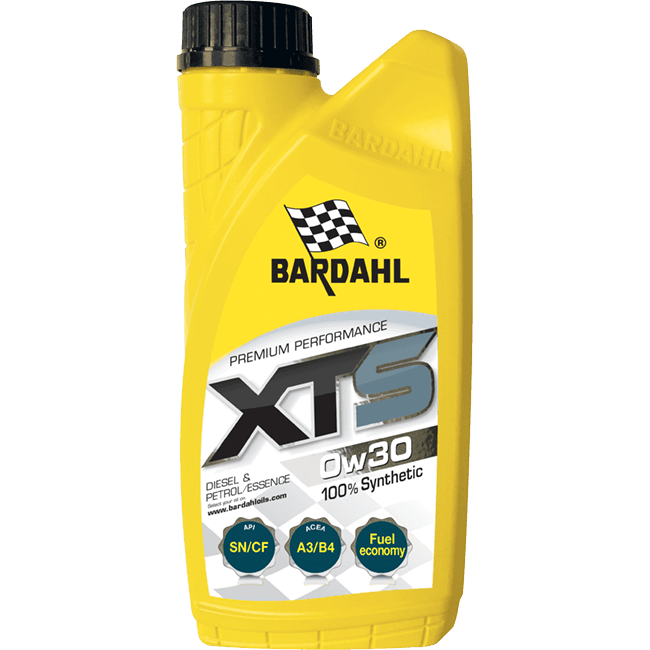
Every time you change your oil or walk into an auto parts shop, you're confronted with a string of numbers and letters: 5W-40, 10W-40, 0W-30. These aren't arbitrary codes — they carry precise information about how your engine oil behaves across a range of real-world temperatures and conditions. Understanding what they mean can make the difference between proper engine protection and accelerated, costly wear.
What Do the Numbers in 5W-40 Mean?
The viscosity grade on every oil label follows SAE (Society of Automotive Engineers) standards. Take 5W-40 as an example:
- 5W — The "W" stands for Winter. The number before it tells you how the oil flows at cold temperatures. A lower number (like 0W or 5W) means the oil stays thinner during a cold start, reaching critical engine parts before the oil pump has fully circulated it. This is when most engine wear actually occurs.
- 40 — This second number describes viscosity at operating temperature (100°C). A higher number means a thicker, more stable oil film at heat, which maintains the protective layer between moving metal surfaces when your engine is working hard.
In practical terms, a 5W-40 flows well on a cold January morning in Thessaloniki and holds its viscosity when your engine is running hot on an August highway near Corinth.
How to Choose the Right Viscosity Grade
Choosing the wrong grade doesn't just waste money — it can shorten your engine's life. Here's what to consider before you buy:
- Follow the manufacturer's specification first. Your owner's manual lists OEM-approved viscosity grades. This is the single most important step — no other factor overrides it.
- Consider your climate. Greek summers are genuinely demanding. Athens and much of the mainland regularly exceed 38°C, placing extra thermal stress on your oil and making high-temperature stability (the second number) especially important.
- Account for engine age and mileage. Older engines with worn seals or higher tolerances sometimes benefit from a slightly thicker grade, though always within the range the manufacturer permits.
- Think about your driving style. Frequent motorway runs, towing, or daily stop-and-go city traffic each place very different demands on your lubricant. Heavy use favours oils with strong shear stability.
Bardahl's lineup spans the full range of modern viscosity grades — from the ultra-fluid 0W-20 for efficient modern engines to the robust 10W-60 for high-performance applications — so there's always a precise match for your vehicle's requirements.
Does Viscosity Grade Tell the Whole Story?
Viscosity grade and oil type are two entirely separate things. A 5W-40 can be fully synthetic, semi-synthetic, or mineral — and the difference matters enormously in practice. Full synthetic oils maintain their rated viscosity far more consistently across a wide temperature range and resist oxidation and thermal breakdown much longer than mineral oils.
Bardahl's Plasma 100% Synthetic range uses advanced base oils and additive chemistry engineered to hold their rated viscosity even after thousands of kilometres of hard use. When you see 5W-40 on a Bardahl Plasma bottle, that oil still behaves like a true 5W-40 at the end of the drain interval, not just when it's fresh from the container.
Practical Tips Before You Buy
- Always check your vehicle's service manual for the OEM-approved viscosity grade before purchasing.
- Never mix different viscosity grades or base oil types in the same sump.
- If you're unsure, a qualified mechanic or your nearest Bardahl stockist can match your engine to the right product quickly.
- Replace your oil filter every time you change the oil — no matter which grade you use. A clogged filter undermines even the best lubricant.
The right viscosity grade, combined with a quality oil like Bardahl, is one of the simplest and most cost-effective steps you can take to protect your engine for the long haul.
Need the right Bardahl products?
Explore the range