
Fuel System Additives: How They Clean Injectors and Protect Your Engine
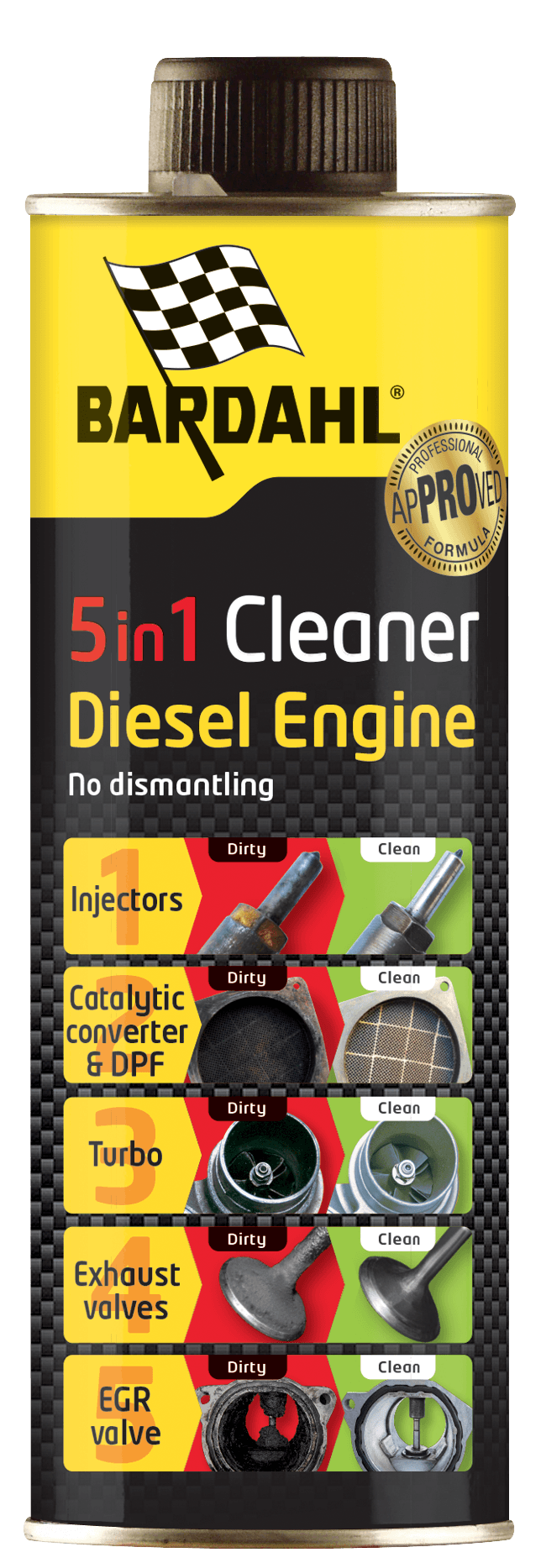
Modern engines depend on precision. Each fuel injector fires hundreds of times per minute, delivering an exact spray pattern that determines combustion efficiency, power output, and emissions. Over time, heat cycles and incomplete combustion leave carbon deposits on injector nozzles, narrowing the spray and disrupting that precision. The result: rough idling, reduced fuel economy, sluggish acceleration, and harder cold starts. Fuel system additives are designed to fix exactly this problem — without disassembly or workshop visits.
Why Injectors Get Dirty
Deposit buildup is normal and happens to every engine. Modern fuels contain detergent packages that help keep injectors clean, but they are not always sufficient — especially with today's tight engine tolerances, low-speed urban driving, and frequent short trips that prevent the engine from reaching operating temperature. Direct injection engines (GDI/TGDI) face an added challenge: fuel never contacts the intake valves, so carbon builds up there too.
Common symptoms of dirty injectors include:
- Rough or unstable idle
- Increased fuel consumption — a noticeable 1–2 km/l in serious cases
- Hesitation or stumbling during acceleration
- Difficult cold starts
- Higher tailpipe emissions, which can cause emissions test failures
How Fuel System Additives Work
A quality fuel system additive contains detergent chemistry — typically polyether amines (PEA) or polyisobutylene amines (PIBA) — that dissolve and lift carbon deposits from injector tips, intake valves, and combustion chamber surfaces. As the treated fuel passes through the system, these molecules bond to deposits and carry them through combustion as harmless exhaust gases.
Beyond cleaning, good additives provide a protective film that slows new deposit formation, protect rubber and metal components in the fuel system from corrosion and swelling, and can stabilise fuel during periods of low use such as seasonal vehicles. Some formulations also include friction modifiers that improve fuel pump lubrication — particularly useful for cars running modern low-sulphur fuels, which have reduced natural lubricity. Bardahl fuel system additives are formulated with Polar Plus technology, allowing active molecules to bond more effectively to metal surfaces and maintain their protective action for longer.
Practical Tips: Getting the Most From Your Fuel Additive
Using a fuel system additive is straightforward, but a few habits make a real difference:
- Add to a near-empty tank before refuelling — this ensures proper mixing as fresh fuel flows in.
- Use it preventively, not just curatively — every 5,000–10,000 km for city driving; every 15,000 km for mostly highway use.
- Follow the dosage instructions — more is not better. The correct ratio ensures effective action without damaging oxygen sensors or the catalytic converter.
- Take a sustained highway drive after treatment — high-load driving helps burn off loosened deposits faster.
- Combine with an oil service — deposits from the combustion chamber can contaminate the engine oil; a timely oil change maximises the benefit.
For Greek driving conditions — heavy urban traffic, frequent stop-and-go, and summer heat — a fuel system treatment twice a year is a practical routine that costs a fraction of an injector service at the workshop.
Need the right Bardahl products?
Explore the range