
Fuel-System Additives: How They Clean Injectors and Protect Your Engine
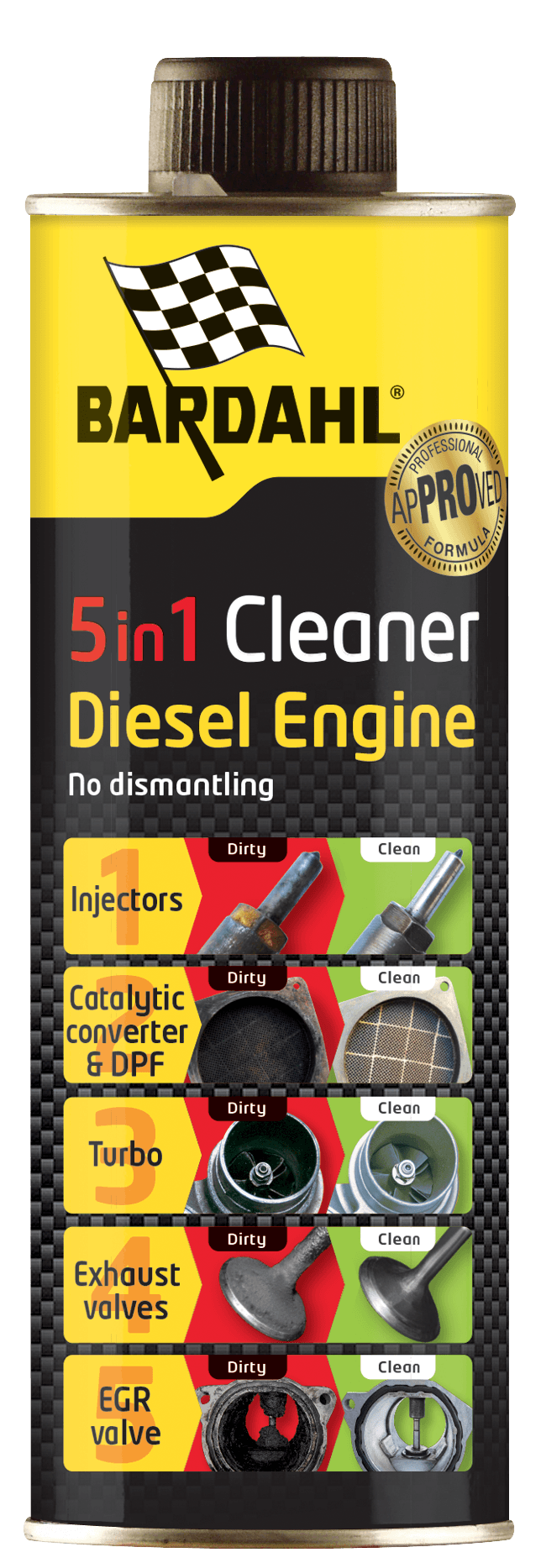
Every time your engine runs, fuel combustion leaves microscopic deposits behind — on injector tips, intake valves, and fuel lines. These deposits accumulate gradually, restricting fuel flow, distorting spray patterns, and forcing your engine to compensate. The result: higher fuel consumption, rougher idle, and reduced power. Fuel-system additives are designed to dissolve these deposits, restore proper function, and protect against future buildup.
What Fuel-System Additives Actually Do
A fuel-system additive is a chemical treatment you pour directly into your fuel tank. As the fuel circulates, the active compounds travel through the entire system — from the tank, through the fuel lines, into the injectors, and across the combustion chamber. A quality product will:
- Dissolve carbon deposits on injectors and intake valves
- Restore the correct spray pattern for complete, efficient combustion
- Protect metal surfaces against corrosion and rust
- Stabilize fuel in vehicles that sit unused for extended periods
- Improve fuel economy by optimizing the combustion cycle
Modern direct-injection engines are particularly vulnerable to carbon buildup because fuel bypasses the intake valves entirely — meaning deposits cannot be washed away naturally. For these engines, regular additive treatment is not optional; it is part of basic maintenance.
Warning Signs Your Fuel System Needs Attention
Your fuel system rarely fails all at once. Instead, it degrades gradually and the signs are easy to overlook until performance has noticeably dropped. Watch for:
- Rough or unstable idle — injectors firing unevenly due to partial blockage
- Hesitation on acceleration — fuel delivery cannot keep up with demand
- Increased fuel consumption — incomplete combustion burns more fuel for the same output
- Drop in engine power — restricted injectors reduce the engine's ability to breathe
If your vehicle has covered 15,000–20,000 km since its last fuel-system service, a preventive treatment is worthwhile even without obvious symptoms. Prevention is significantly cheaper than injector replacement or a deep workshop clean.
How to Use Fuel-System Additives Correctly
The process is straightforward. Pour the additive into a nearly-empty fuel tank, then fill up normally. This ensures the additive mixes thoroughly before reaching the injectors. For consistent results:
- Treat every 5,000–10,000 km, or as the product recommends
- Choose a formulation rated for your fuel type — petrol, diesel, or direct injection
- Drive normally after treatment; no special warm-up or driving cycle is required
- Follow up with a full tank to flush the system completely
Bardahl's fuel-system additives — including the Bardahl Injector Cleaner and the Bardahl Complete Fuel System Cleaner — are built around Bardahl's proprietary Polar Plus technology. This allows active molecules to bond directly to metal surfaces, leaving a protective film that reduces friction and guards against corrosion long after the cleaning cycle is complete.
Regular fuel-system maintenance is one of the most cost-effective habits you can build. A clean injector burns fuel more efficiently, produces fewer emissions, and extends the life of your engine. Whether you are a daily commuter or managing a workshop fleet, treating your fuel system proactively is always the smarter call.
Need the right Bardahl products?
Explore the range