
Base Oils Group I–V: Why Most 'Synthetic' Oils Aren't Truly Synthetic
Every week, Greek drivers spend money on motor oils labelled "fully synthetic" — but most of those bottles contain something quite different from what the label implies. Understanding base oil groups is the key to cutting through the marketing noise and choosing an engine oil that genuinely matches your needs.
The Five API Base Oil Groups
Engine oil consists of a base oil (roughly 75–90% of the blend) and a carefully engineered additive package. The American Petroleum Institute (API) classifies base oils into five groups based on molecular structure and refining method:
- Group I: Solvent-refined mineral oil — the most basic type. Higher impurity levels and the lowest oxidation resistance. Still found in older-generation products and some gear lubricants.
- Group II: Hydrocracked mineral oil. Cleaner and more thermally stable than Group I, with a more consistent viscosity index. The backbone of many conventional and entry-level semi-synthetic blends.
- Group III: Severely hydrocracked mineral oil. Highly purified, with a viscosity index above 120. Still derived from crude oil — yet legally permitted to carry the "synthetic" label in most markets since a US court ruling in the late 1990s.
- Group IV: Polyalphaolefins (PAO). The gold standard of true synthetic base oil. Engineered molecule by molecule from ethylene, PAO delivers outstanding thermal stability, an exceptionally low pour point and superior oxidation resistance across a wide temperature range.
- Group V: All other synthetics — esters, polyalkylene glycols (PAG) and more. Esters offer excellent film strength and are often blended with Group IV in high-performance formulations to optimise cold-flow properties.
Why the "Synthetic" Label Can Mislead
A landmark US court ruling in the late 1990s allowed Group III base oils to carry the "synthetic" designation. The reasoning: severe hydrocracking removes enough impurities to create a product chemically distinct from the original crude. Technically defensible — but the practical consequence is that the majority of engine oils sold as "fully synthetic" in Greece and across Europe today are built on Group III mineral-derived stock.
This is not automatically bad. A premium Group III formulation with a well-engineered additive package can protect your engine effectively. The real issue is transparency: you deserve to know what you are actually paying for before you pick a product off the shelf.
What Actually Matters When Choosing Engine Oil
The base oil group is one piece of the puzzle, not the whole picture. Focus on these criteria before buying:
- Viscosity grade: Always follow your vehicle manufacturer's specification (e.g. 5W-30, 5W-40, 0W-20).
- API and ACEA ratings: These certify minimum performance benchmarks for petrol and diesel engines.
- OEM approvals: Specific manufacturer approvals (VW 504.00, BMW Longlife-04, Mercedes-Benz 229.51) guarantee compatibility with your engine's real-world requirements.
- Additive technology: High-quality detergents, anti-wear agents and antioxidants often matter more than the base oil group alone.
- Brand accountability: A reputable manufacturer backs its certifications with real laboratory testing — not just label claims.
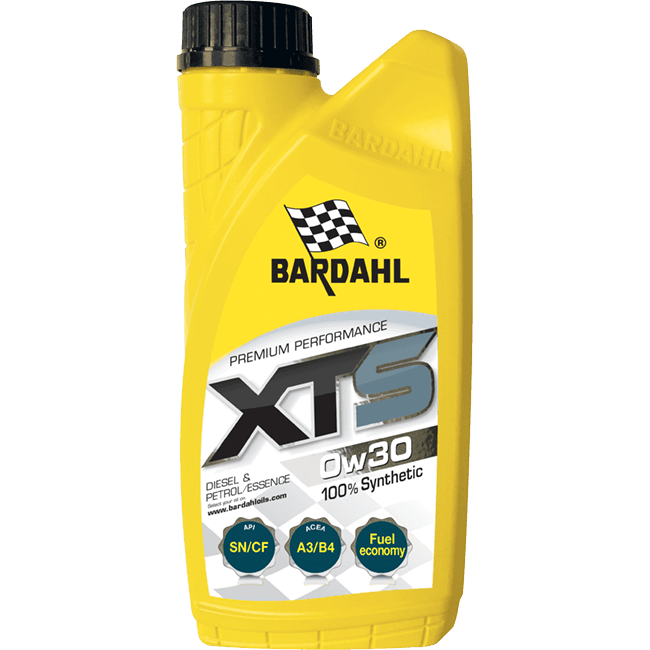
Bardahl's lubricant lineup — from BXT and XTC engine oils to the flagship Plasma range — is built on carefully selected base stocks and additive chemistry refined over more than 85 years of lubrication expertise. Every product is engineered to meet its declared specifications, giving Greek drivers and workshops reliable, verifiable performance rather than marketing promises.
The label tells you part of the story. Now you know how to read the rest.
Need the right Bardahl products?
Explore the range