
Base Oils Group I–V: Why Most 'Synthetic' Oils Are Not Truly Synthetic
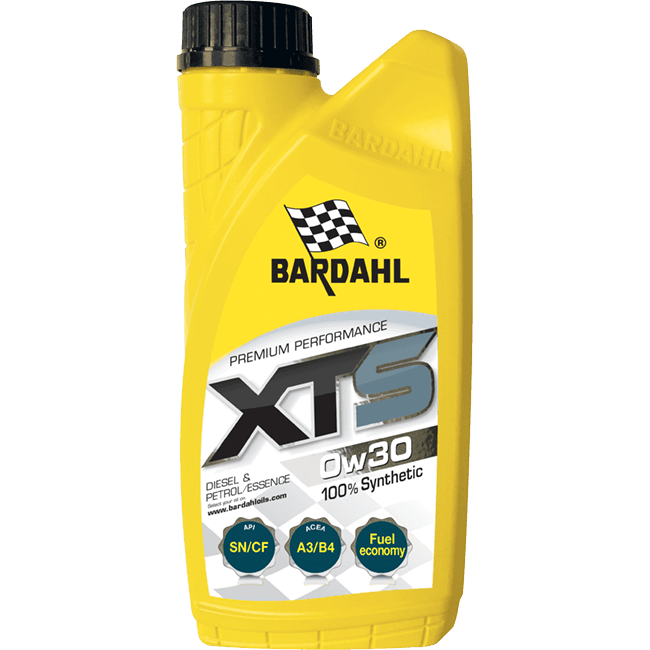
Many drivers reach for a bottle of 'synthetic' motor oil confident they're getting the best protection available. But the word synthetic on a label doesn't always mean what you think — and understanding why starts with how base oils are classified.
The Five Groups of Base Oils
Base oils form 70–90% of any finished lubricant. The American Petroleum Institute (API) classifies them into five groups based on their refining process and chemical properties:
- Group I: Solvent-refined conventional mineral oils. Older technology, lowest performance.
- Group II: Hydroprocessed mineral oils. Better oxidation stability — common in standard motor oils.
- Group III: Severely hydrocracked mineral oils. High purity and uniform molecules — but still derived from crude oil.
- Group IV: Polyalphaolefins (PAO). Chemically synthesized from scratch — true synthetic base oil.
- Group V: All other base stocks, including esters and polyalkylene glycols. Used in premium, high-performance formulations.
Why 'Synthetic' Doesn't Always Mean Synthetic
In the 1990s, a landmark legal case in the United States allowed Group III oils — produced from crude oil through intense refining — to be marketed as 'synthetic.' The reasoning: after severe hydrocracking, their molecular structure resembles that of true synthetics closely enough.
The result? Today, a large share of oils sold as 'full synthetic' or '100% synthetic' are Group III-based. They outperform conventional mineral oils, but they are not the same as Group IV (PAO) or Group V (ester) formulations. The gap becomes significant at temperature extremes, under sustained high load, and over longer drain intervals.
What the Difference Means for Your Engine
True Group IV and V base oils offer measurable advantages over Group III:
- Cold-start protection: PAO-based oils flow freely at −35°C and below, reducing wear in the critical first seconds after ignition.
- Thermal stability: Ester and PAO base stocks resist oxidation and viscosity breakdown at high operating temperatures — essential for turbocharged engines.
- Lower volatility (NOACK): Less evaporative loss means less oil consumption and more consistent viscosity over time.
- Extended drain intervals: True synthetics degrade more slowly, making them better suited to longer service intervals.
Bardahl's flagship PLASMA line is formulated with Group IV PAO and Group V ester base oils — genuinely synthetic by any definition. Combined with Bardahl's C60 Fullerene anti-friction technology and the proprietary Polar Plus film-strength additive, PLASMA delivers measurable engine protection even under conditions where Group III 'synthetics' begin to fall short.
How to Choose Wisely
A few practical steps before your next oil purchase:
- Ask your supplier or workshop whether the oil uses PAO or ester base stocks — not just whether it carries a 'synthetic' label.
- Request the Technical Data Sheet (TDS). Reputable brands publish these openly, and it won't mislead you.
- For turbocharged engines, high-mileage vehicles, or extended service intervals, prioritise Group IV/V formulations.
- Don't confuse viscosity grade (5W-40, 0W-30) with base oil quality — two oils can share the same grade and differ dramatically in what's actually inside.
The 'synthetic' label is a starting point, not the whole story. Knowing what's really in the bottle is the difference between marketing and genuine engine care.
Need the right Bardahl products?
Explore the range