
Bardahl Plasma: The Unique 100% Synthetic Technology and Why Nothing Else Compares
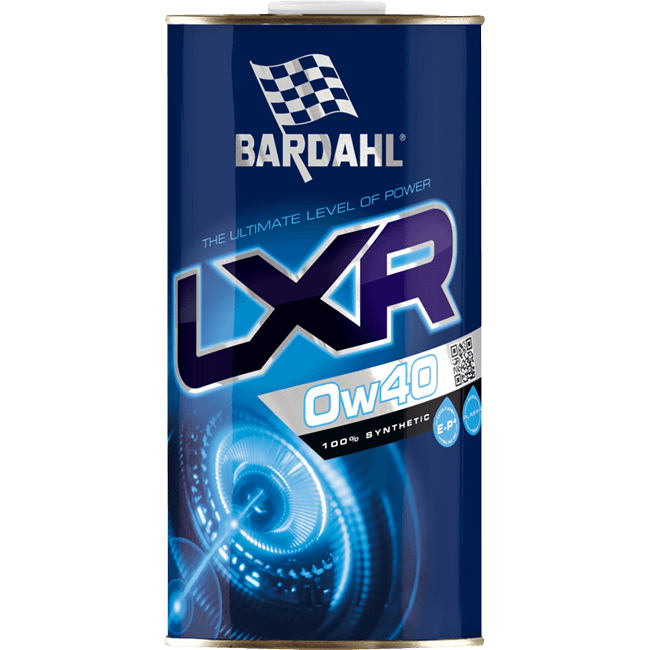
Many engine oils carry the word "synthetic" on the label. Fewer earn it. Bardahl Plasma stands in a category of its own — not because of marketing, but because of a fundamental difference in how its molecules interact with your engine from the very first second it runs.
The Science Behind Plasma: Polar Molecules That Seek Out Metal
The core of Bardahl Plasma is a class of polar organic compounds — molecules with an electrically charged structure that makes them actively attracted to metal surfaces. Under the heat and pressure of a running engine, these molecules do not wait to be pushed into gaps. They seek them out, forming a tenacious protective layer on cylinder walls, cam lobes, and bearing surfaces where conventional oils can only sit passively.
This polar bonding mechanism is why Plasma outperforms ordinary synthetics at the most critical moment: the cold start. In the first seconds after turning the key, oil pressure has not yet built up fully — this is when up to 70% of engine wear can occur. Plasma's polar layer is already in place from the previous shutdown, providing a film of protection before a single drop of oil has circulated through the system.
100% Synthetic Base: What That Actually Means
The term "synthetic" is widely misused in the lubricants industry. Some products labelled "synthetic technology" contain as little as 30% synthetic base oil, blended with refined mineral stock. Bardahl Plasma uses a 100% synthetic base — meaning every molecule of the base oil is purpose-engineered, not derived from crude oil refining. What does that translate to for your engine?
- Consistent viscosity from -40°C cold starts to temperatures exceeding 150°C inside a working engine
- Resistance to thermal breakdown and oxidation for extended drain intervals
- Faster oil film formation at startup, reaching bearings sooner to cut wear in those critical first seconds
- Significantly lower volatility — less oil burn-off between changes
- Full compatibility with DPF filters, catalytic converters, and turbochargers
For Greek driving conditions — urban stop-and-go in Athens heat, summer mountain passes, long motorway runs in July — these are not theoretical advantages. They are the difference between an engine that reaches 300,000 km in solid condition and one that starts showing wear at 150,000 km.
Choosing the Right Plasma Grade
Bardahl Plasma is available in several viscosity grades to match different engine specifications:
- 0W-40: ideal for high-performance petrol engines and modern diesels requiring maximum cold-start fluidity
- 5W-40: the most versatile grade, suited to the majority of petrol and diesel engines across the Greek market
- 5W-30: recommended for newer engines with tighter tolerances and fuel economy specifications such as ACEA C3 or VW 504/507
Always verify your vehicle's required specification in the owner's manual or on the oil filler cap before selecting a grade. For workshops, stocking all three covers virtually every car that comes through the door without compromise.
One practical tip for mechanics: when fitting Bardahl Plasma for the first time on a high-mileage engine that has been running on mineral or lower-quality oil, an engine flush beforehand gives the Plasma additive package a clean surface to work with — and significantly extends the period before any sludge re-accumulates. Starting clean means the polar compounds bond to metal, not to existing deposits.
Not every synthetic is equal — and not every "synthetic" is truly synthetic. Bardahl Plasma is built on decades of polar additive science and 100% synthetic base oils engineered to exceed what any conventional or semi-synthetic product can offer. For drivers and workshops who want the best protection an engine can get, it is not a close call.
Need the right Bardahl products?
Explore the range