
Why Most Bardahl Oils Are Genuinely 100% Synthetic — Not Just Hydrocracked
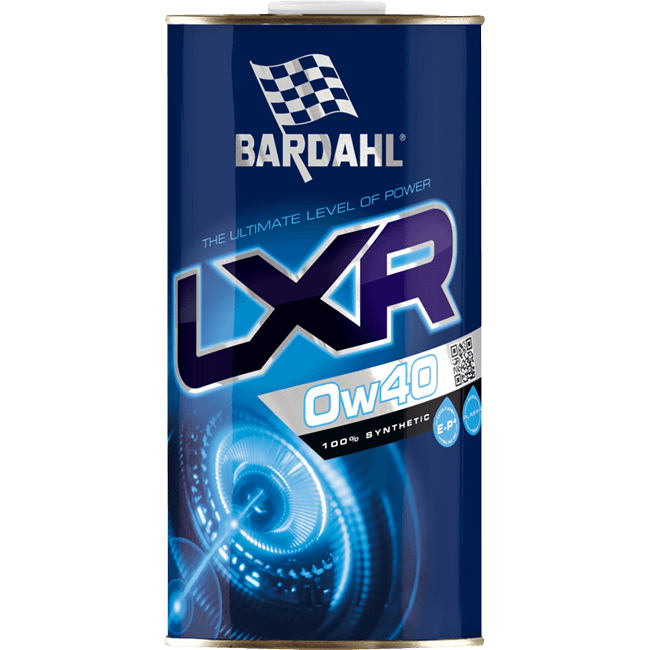
Walk into any auto parts store and you'll see dozens of oils labeled 100% synthetic. But there's a detail the industry rarely highlights: most of those products are made from hydrocracked mineral oil — a highly refined petroleum derivative that's worlds apart from true synthetic base stocks. Bardahl has built its reputation on doing things differently, which is why approximately 80% of its lubricant range is formulated with genuine Group IV (PAO) and Group V (ester) base oils.
"Synthetic" Doesn't Always Mean What You Think
In the European market, the word "synthetic" on an oil label does not guarantee a PAO or ester base. Group III hydrocracked oils — produced by intensively refining crude petroleum — can legally carry the synthetic label in many markets. They outperform basic mineral oils, but they cannot match the molecular consistency, thermal stability, or lubricating film strength of true synthetics. For a driver pushing their engine through Greek summer heat or the relentless stop-start of city traffic, this distinction matters.
PAO and Ester — The Chemistry Behind the Claim
Bardahl's formulation philosophy is anchored in Group IV and Group V base oils across the vast majority of its product range. Here's what that means in practice:
- PAO (Group IV): Engineered molecules built from scratch, offering exceptional viscosity stability from −40°C to over 200°C, outstanding cold-start protection, and natural resistance to oxidation.
- Ester (Group V): Derived from organic acids and alcohols, esters have a polar molecular structure that bonds naturally to metal surfaces — delivering lubrication exactly where it's needed, especially during cold starts and high-RPM operation.
- Polar Plus technology: Bardahl's proprietary additive chemistry enhances the adhesion of base oils to metal, reducing wear during the critical first seconds after engine start.
This is why flagship products such as Bardahl Plasma and XT4-R carry genuine 100% synthetic claims — backed by base oil chemistry, not just marketing copy.
What This Means for Drivers and Workshops
Greece's climate — scorching summers, cold northern winters, and the relentless demands of city driving — puts lubricants under real stress. True synthetic oils based on PAO and ester:
- Maintain a stable viscosity film even at sump temperatures above 100°C
- Flow immediately at cold starts, protecting the engine during the critical first 10 seconds
- Resist oxidation and sludge formation, supporting longer drain intervals
- Meet and exceed modern specifications such as ACEA A3/B4 and manufacturer-specific approvals
For workshops, the answer to "why does Bardahl cost more than a competitor's synthetic?" lies in the base oil. PAO and ester don't merely meet specification — they exceed it. The next time you see 100% synthetic on a label, it's worth knowing which base oil group is actually inside the bottle.
Need the right Bardahl products?
Explore the range