
Why 80% of Bardahl's Range Is Truly 100% Synthetic (PAO/Ester, Not Hydrocracked)
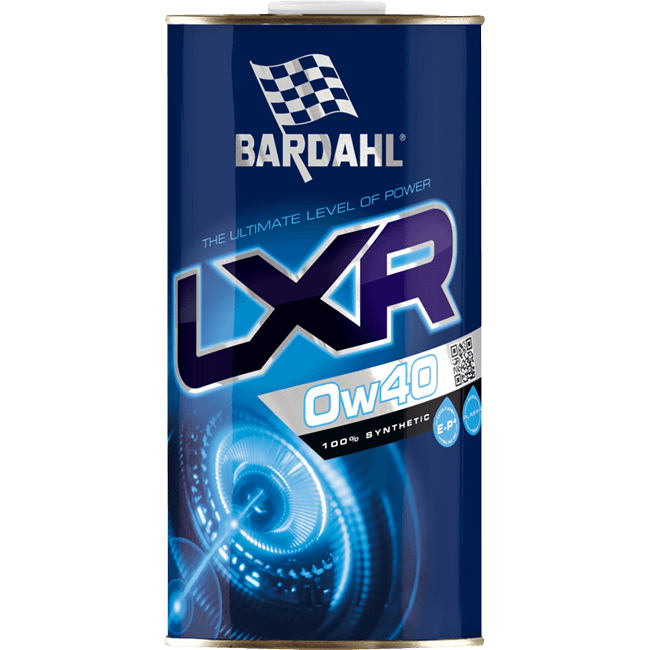
Walk into any auto parts store and you will find shelves lined with oils all labeled «synthetic». But not all synthetics are created equal — and the difference matters far more than most drivers realise. Bardahl has built its reputation on using genuine PAO and ester base oils across approximately 80% of its product range, not the hydrocracked alternatives that dominate much of the mass market. Here is why that distinction is worth understanding.
What «100% Synthetic» Actually Means
The term «synthetic» is not legally protected in most countries, which means it can be applied to a wide range of base oils. True synthetics — Group IV (polyalphaolefins, or PAO) and Group V (esters) — are engineered from scratch at a molecular level. They have uniform chain lengths, no sulfur or impurities, and exceptional resistance to oxidation and thermal breakdown.
Hydrocracked oils, classified as Group III, start life as conventional mineral oil. They are heavily refined until many of their irregular molecules are removed — a significant upgrade over older mineral oils, but fundamentally different from PAO or ester. In many markets, Group III oils are legally permitted to carry the «synthetic» label, and this is where consumer confusion begins.
PAO and Ester vs. Hydrocracked: The Real Difference
Group IV PAO and Group V esters offer performance that hydrocracked Group III simply cannot match at a molecular level:
- Cold-start protection: PAO stays fluid at extremely low temperatures, reducing wear during the critical first seconds after ignition
- Thermal stability: Ester and PAO base oils resist viscosity breakdown at sustained high engine temperatures
- Film strength: The molecular structure of esters creates a stronger lubricating film on metal surfaces under load
- Oxidation resistance: Longer oil life and significantly slower sludge formation over time
- Seal compatibility: Esters have a mild conditioning effect that helps maintain elastomer seals and reduce leaks
Hydrocracked oils are excellent for everyday use and far superior to older mineral oils, but they fall short in extreme conditions — high-performance engines, motorsport, or prolonged high-temperature operation.
How Bardahl's Commitment to PAO and Ester Makes a Difference
Bardahl's formulation philosophy means approximately 80% of its lineup is built on genuine PAO or ester base stocks. This is not a marketing claim but a formulation reality visible in the technical datasheets. Products like the Bardahl Plasma series are built on fully synthetic PAO/ester technology, delivering performance that goes beyond what any Group III base oil could support.
Practical tips for choosing the right oil:
- Always check the product datasheet (TDS), not just the bottle label — look for Group IV or Group V base oil classification
- If you drive in demanding conditions (city stop-start, towing, track days), the gap between genuine synthetic and hydrocracked is felt most clearly
- For motorcycles with wet clutches, ester-based oils maintain shear stability better under the combined stress of engine, gearbox, and clutch
- For extended drain intervals, only confirmed PAO/ester formulations offer the oxidation resistance to justify the longer change periods
The word «synthetic» has been stretched so far it has almost lost meaning. Bardahl's commitment to genuine PAO and ester base stocks — across 80% of its range — is the reason its products consistently exceed spec requirements, rather than simply meet them.
Need the right Bardahl products?
Explore the range